An ancient theatre, early-Christian catacombs, the world's most famous statue, and the museums that tell the story.

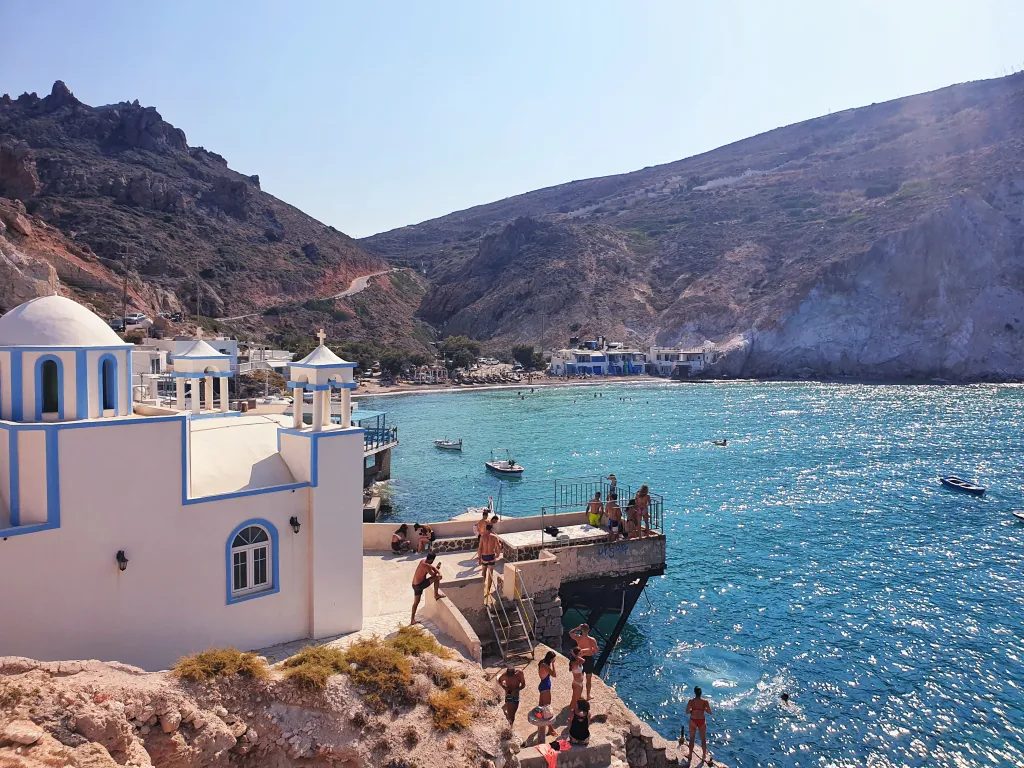
Milos is so good at beaches and boats that it's easy to forget it's also one of the oldest stories in the Aegean. Long before the sunbeds, this little volcanic island was mining obsidian for half the Mediterranean, building a marble theatre above the sea, and — most famously — quietly holding onto a statue that would end up as the face of an entire museum in Paris.
Most of it is a short walk or drive from Efi's in Trypiti. Here's the history worth an afternoon, and the four small museums that bring it to life.
Where it all happened
The Ancient Sites
The Ancient Theatre
Trypiti · 1 km from the house, ~30 min on foot
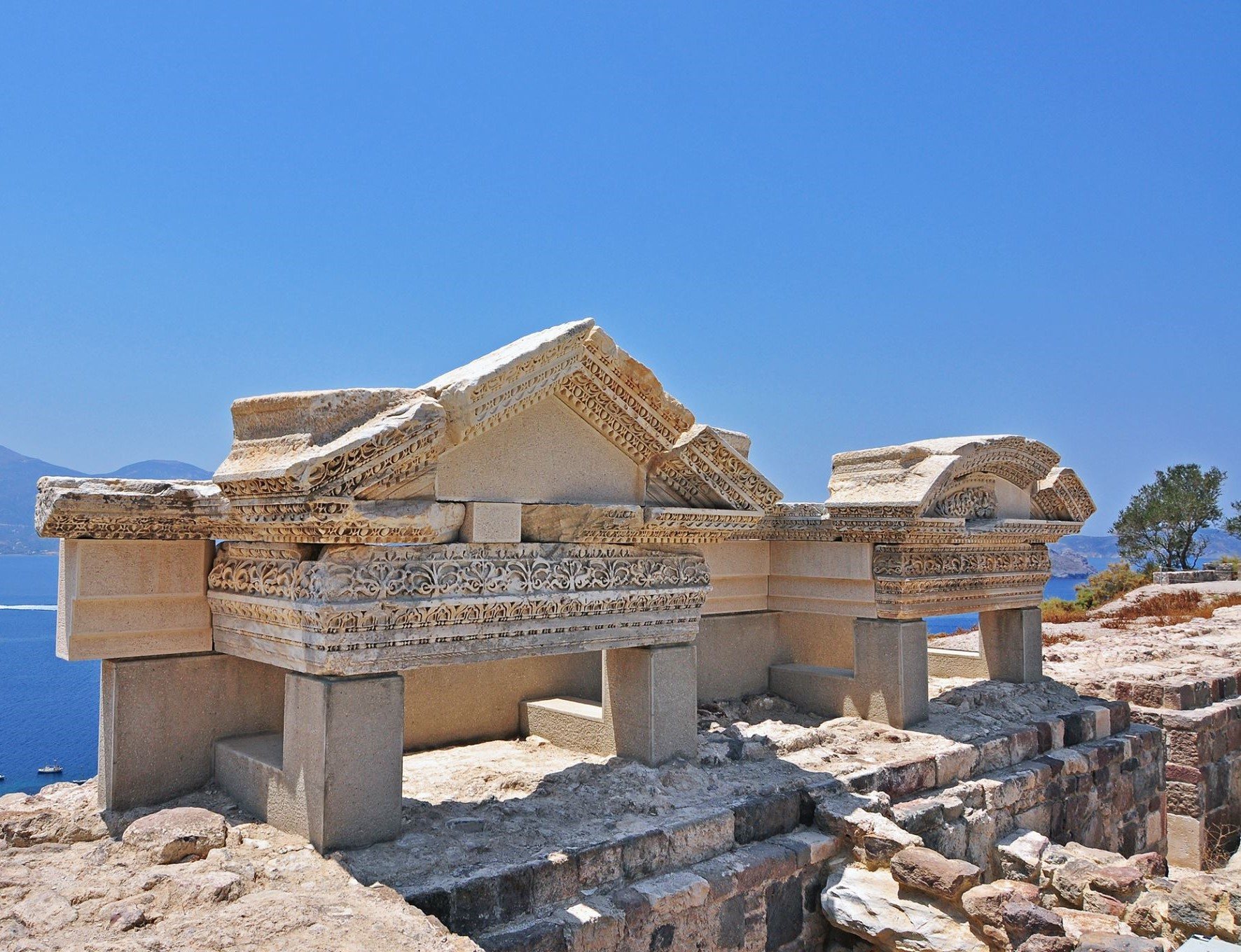
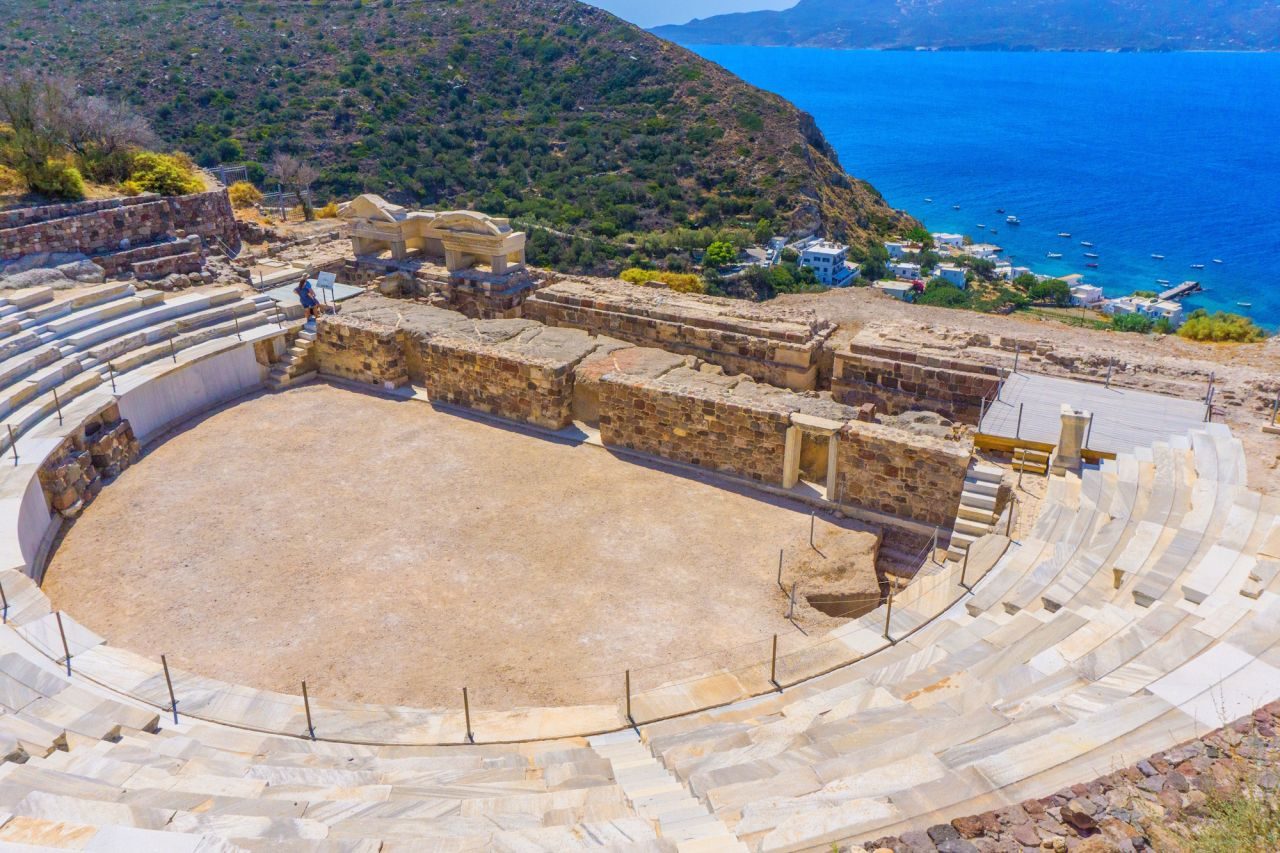
Carved into the hillside above Klima with the open sea filling the view behind the stage, the Ancient Theatre of Milos makes history feel close. The white marble rows you see today are largely Roman, but a theatre has stood on this exact spot since Hellenistic times.
It still hosts the odd summer performance, and even empty on an ordinary morning it's a joy — a small, sea-facing amphitheatre and almost nobody around. An easy walk from the house, and loveliest in the soft light of early evening.
Where the Venus Was Found
Trypiti · steps from the ancient theatre
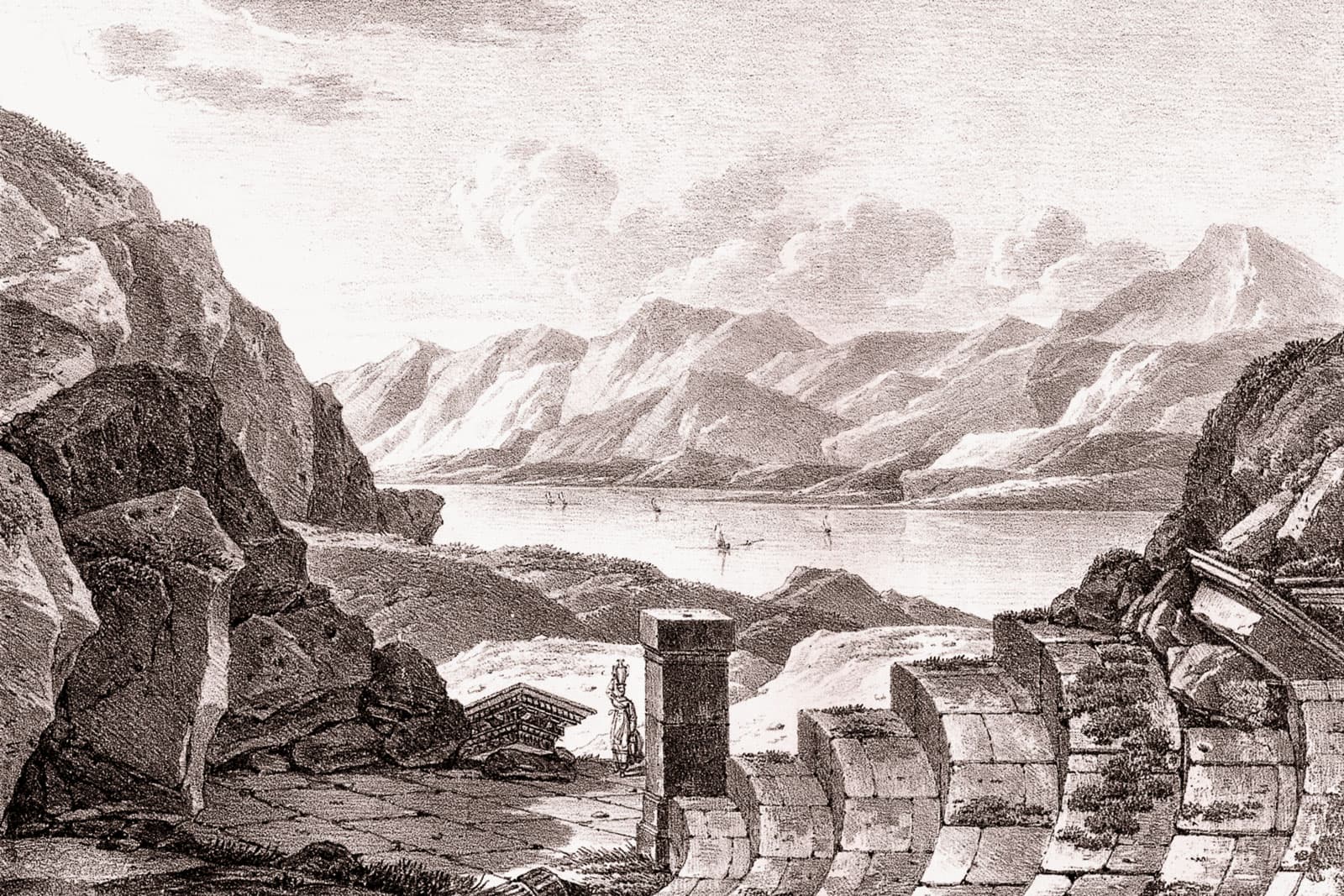
In the spring of 1820, a local farmer named Yorgos Kentrotas was clearing stones from his field beside the theatre when he uncovered a marble figure in two halves. That figure was the Aphrodite of Milos — the Venus de Milo. A simple marker now sits roughly where she came out of the ground.
It's a humble little patch of earth for one of art history's great accidents. Standing there — a field, some old stones, the sea below — is oddly moving once you know what happened.
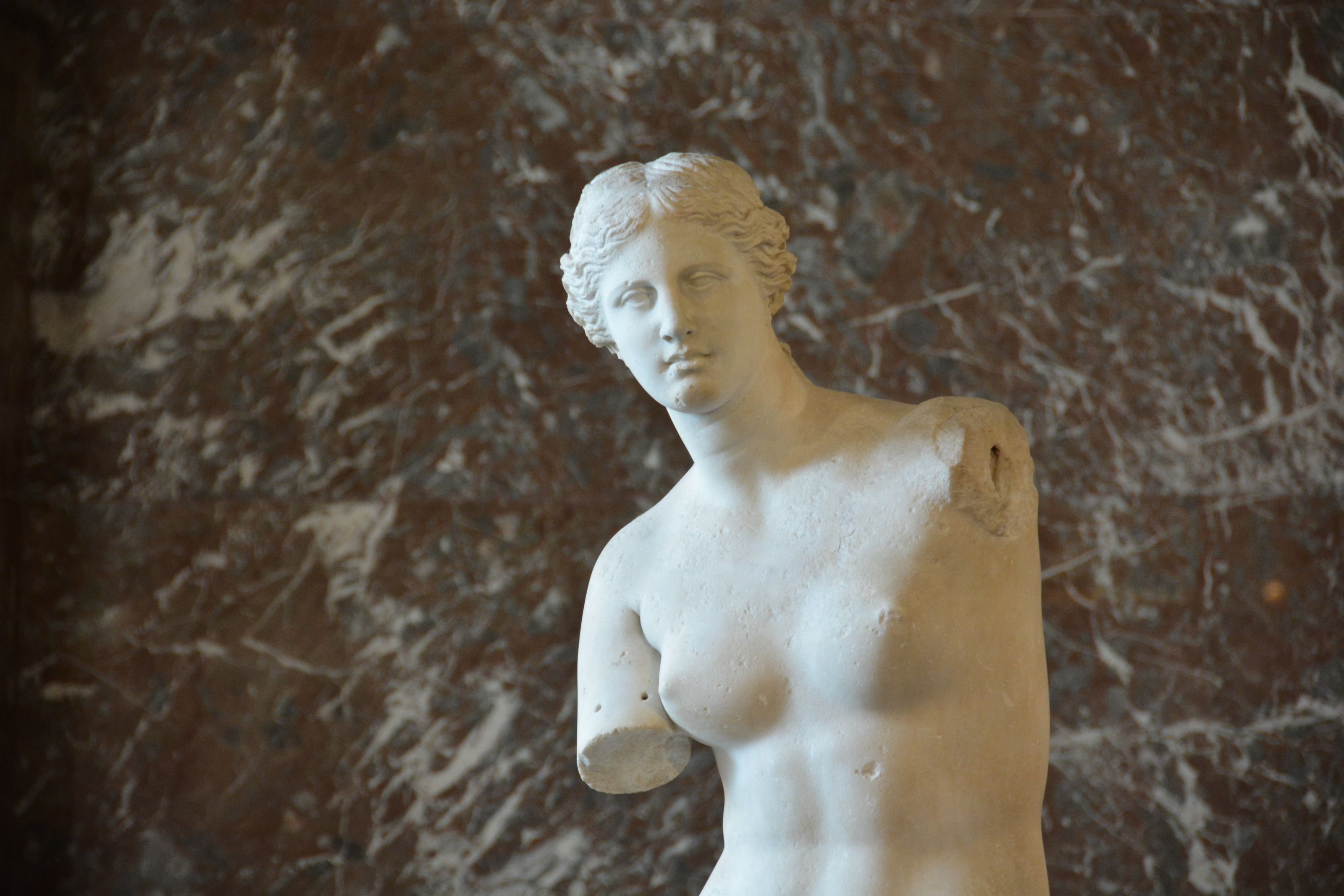
The Venus de Milo
Now in the Louvre, Paris
Carved from Parian marble around 100 BC, she stands about two metres tall, is famously missing her arms, and is quietly one of the most recognisable artworks on earth. Soon after her discovery she was bought, shipped to France, and presented to King Louis XVIII — and she's been the Louvre's star ever since.
Milos never got her back, which is still a slightly sore subject here. What you'll find on the island instead is an exact plaster cast in the Archaeological Museum — and the far better story of where she actually began.
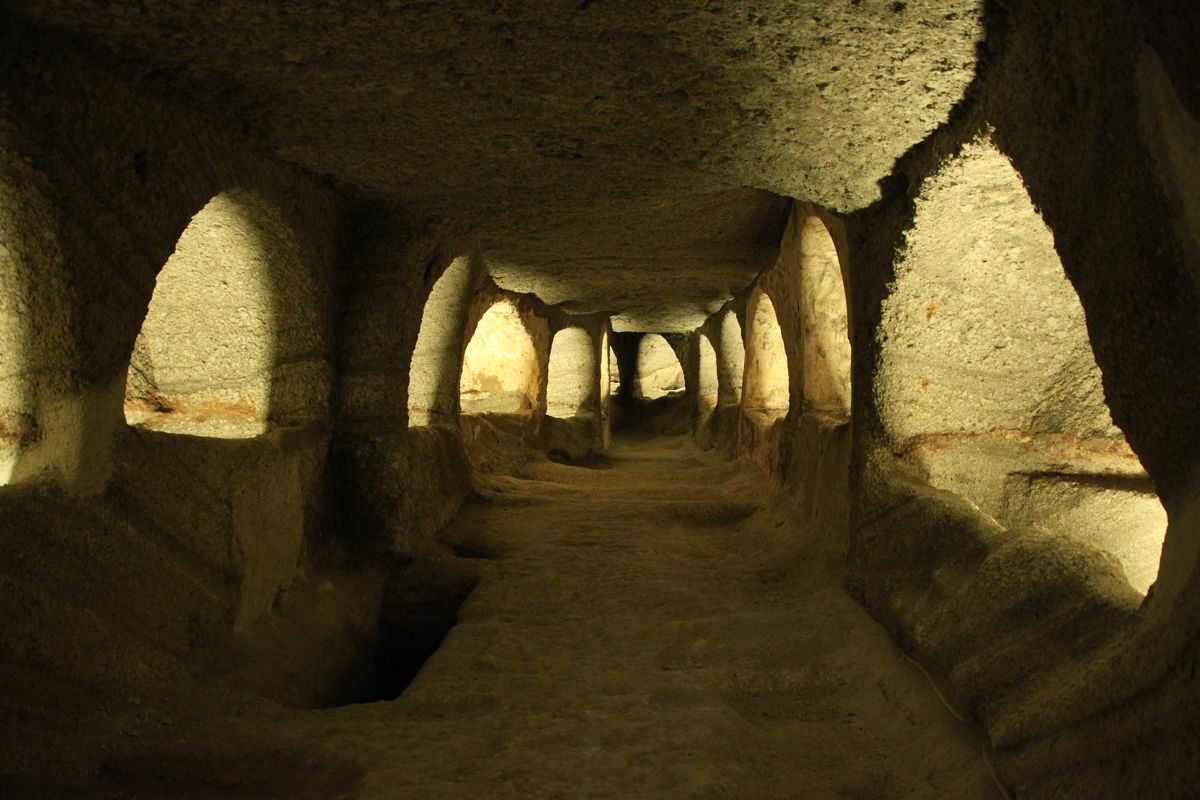
The Catacombs
Trypiti · ~20 min on foot · festival 12 June
Cut into the soft volcanic rock below Trypiti are some of the most important early-Christian catacombs in the world — a network of underground galleries lined with carved burial niches, in use from roughly the 1st to the 5th century AD. Cool, quiet and genuinely atmospheric, they're a reminder of how deep the island's Christian roots run.
It's about a 20-minute walk from the house (not five, whatever the map says). Each year on 12 June the island celebrates the Festival of the Catacombs with a panigíri — a proper local feast — well worth timing a visit around.
An hour each, well spent
The Museums
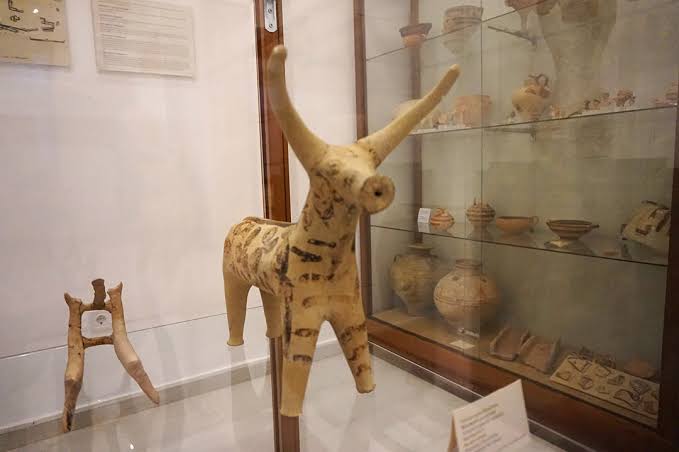
Archaeological Museum
Plaka
A handsome little neoclassical museum in the capital, full of finds from across the island's long history — Neolithic obsidian tools, pottery, and figurines from the ancient city of Phylakopi. By the entrance stands the plaster cast of the Venus de Milo, so you can finally meet her eye to eye on home soil.
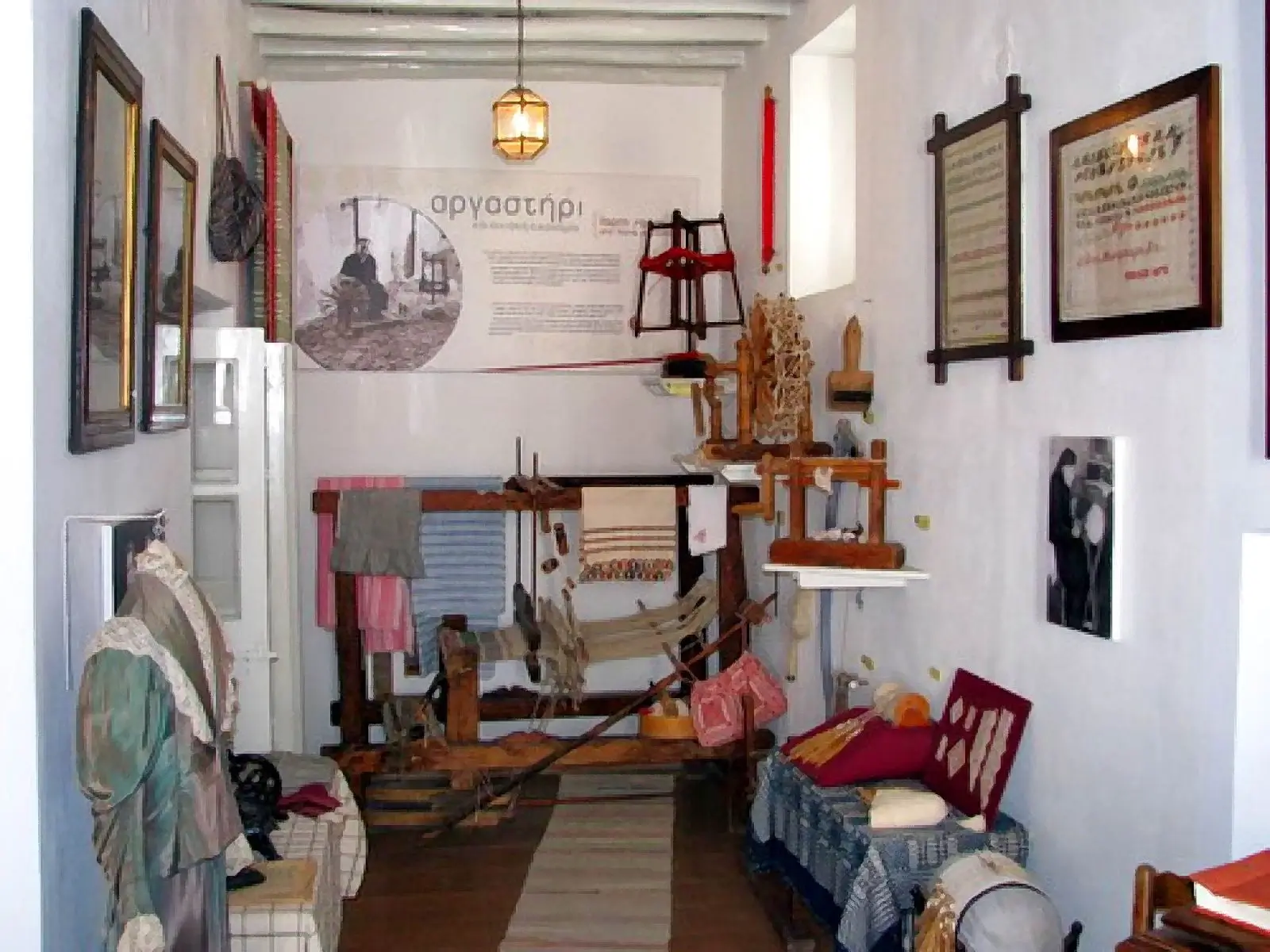
Folklore Museum
Plaka
Tucked into Plaka's whitewashed lanes, this is a restored traditional Milian home laid out as it would have been a century or two ago — kitchen, loom, furniture, tools and costumes. A warm, human counterpoint to all the marble: this is how islanders actually lived.

Mining Museum
Adamas
Mining is the thread running through all of Milos, from prehistoric obsidian to the bentonite, perlite and sulphur that still shape the island today. This well-made museum on the Adamas waterfront lays out the geology and the human story behind it — the minerals, the machinery, and the miners themselves. Genuinely interesting, even if you never thought rocks were your thing.
Ecclesiastical Museum
Adamas
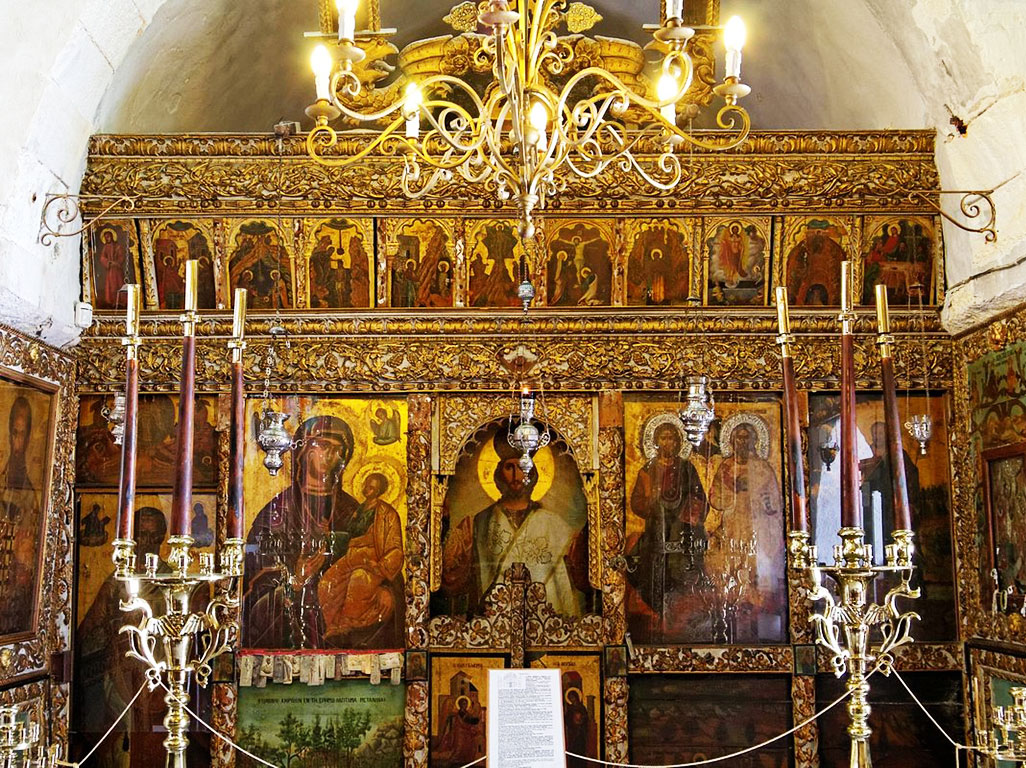
Set inside the church of the Holy Trinity above Adamas, this small ecclesiastical museum holds a beautiful collection of Byzantine and post-Byzantine icons, manuscripts and liturgical pieces — some of them centuries old. A peaceful, golden-lit stop, and a lovely pairing with a wander around the harbour.
None of it takes long, and all of it makes the island feel deeper. Ask Efi for the current opening hours when you arrive — they shift with the season — and we'll help you string an easy afternoon together.
Make Trypiti your base.
Stay at Efi's and let our experience since 1995 shape your days on Milos.